Trusted Renovation Company Truckee
You want a Truckee remodeler who designs to 200 psf snow loads, complies with Title 24 and WUI, and handles permits, inspections, and TRPA clearances without surprises. We install airtight, high-R envelopes, cold-climate heat pumps, and ENERGY STAR windows to stop ice dams and reduce bills. Our design-build process secures scope, schedule, and budget with room-by-room estimates, blower-door verification, and QA checklists. Licensed, insured, and local-so your home performs in every season. Here's how that works in real terms.
Main Points
- Local code specialists: Title 24, Truckee amendments, WUI defensible space, and full permitting/inspection sequencing handled in-house.
- Mountain-optimized builds: snow-weight framing, ice-dam mitigation, properly ventilated ventilation, and freeze-thaw durable foundations.
- Building envelope performance: Attics with R-60+ insulation, airtight construction details, blower-door verified, ENERGY STAR-rated Northern climate windows with AAMA standard flashing.
- Clear delivery: assigned project leader, constructability assessments, line-item budgets, phase-based payments, and change-control documentation.
- Established team: licensed, insured, CalGreen/Title 24 experienced, with competitive bids, schedules, and references from local clients.
Why Exactly Local Expertise Is Essential in Truckee's Alpine Environment
Although building codes are universal, Truckee's mountain altitude, significant snow loads, and freeze-thaw cycles require a contractor who knows local conditions and implements them in development and implementation. You need someone who incorporates Snowpack Awareness into structural calculations, specifies appropriate roof pitches, and sizes rafters and connectors for ice dam formation and snow drifting. With Microclimate Familiarity, your contractor factors in shaded lots, canyon winds, and solar gain, selecting materials and assemblies that prevent spalling, moisture intrusion, and thermal bridging.
Expect accurate flashing specifications, cold-roof ventilation, heated eave approaches, and robust vapor control compliant with Title 24 and local amendments. Correct foundation insulation, drainage planes, and air-sealing reduce frost heave risks and protect finishes. Local expertise leads to fewer callbacks, safer occupancy, and proven durability through Truckee winters.
Design-Build Approach for a Flawless Renovation
A design-build model aligns architects, engineers, and builders from day one to develop a unified planning process that considers structural loads, energy codes, and site constraints. You obtain single-point project management that manages permitting, schedules, and cost controls, minimizing change orders and delays. You ensure code compliance at every step while keeping scope, budget, and timelines clear.
Streamlined Planning System
Because a seamless renovation depends on coordination from day one, our cohesive planning process leverages a true design-build approach-one team translating your objectives into constructible plans, precise budgets, and enforceable schedules. We commence with stakeholder coordination: you, our designers, estimators, and trades align scope, priorities, and risk tolerance. Subsequently we verify site conditions, document utilities, and model structural, mechanical, and envelope constraints to comply with Truckee and California codes.
We develop phased scheduling that sequences demolition, rough-ins, inspections, and final touches to decrease downtime and keep occupancy where practical. Upfront cost modeling links specifications to current pricing, lead times, and permitting windows, stopping scope drift. Cost engineering targets assemblies with the best lifecycle performance. Your approved plans, specifications, and allowances become a single, constructible roadmap.
Single-Point Project Management
Rather than coordinating separate designers, contractors, and inspectors, you get a single responsible leader who owns scope, budget, schedule, and quality from initial meeting to final walkthrough. Your Project Executive works as the decision hub and your main liaison, overseeing permitting, design, trade sequencing, and procurement. You approve one schedule, one budget, and one plan, while we oversee submittals, inspections, and closeout.
We synchronize drawings with area regulations, Title 24, wildfire defensible-space regulations, and Truckee's energy and snow-load standards. Our Quality Assurance procedure includes constructability reviews, checklists for pre-pour and pre-drywall stages, and inspection documentation. Change management is controlled through written directives and cost-tracking logs. Risks are mitigated via early-stage forecasting and contingency tracking. You gain transparent updates, reduced handoffs, and a code-compliant, predictable renovation.
Kitchen Renovations Designed for Alpine Life
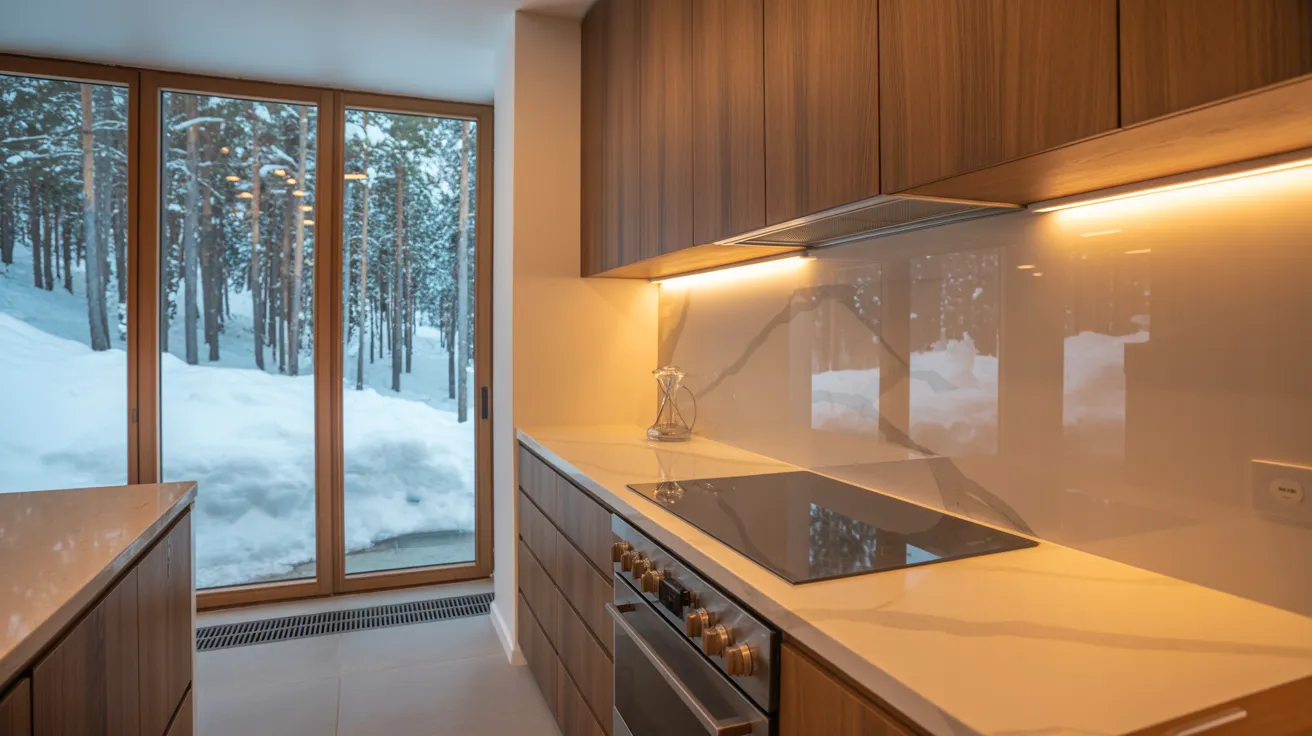
Within Sierra snow and summer dust, your kitchen must perform. You want durable materials, tight building envelopes, and ventilation that handles altitude and wood heat. Start with sealed quartz or sintered stone, Class A fire-rated backsplashes, and induction cooktops to reduce particulates. Choose soft-close, full-overlay cabinets with compact storage solutions:pull-out pantries, toe-kick drawers, and vertical tray dividers—to keep clutter off counters.
Employ timber accents with care: kiln-dried, sealed, and spaced per movement specifications. Select moisture-resistant subfloors, closed-cell foam at rim joists, and heated floors with programmable thermostats. Choose ENERGY STAR appliances adjusted for high-elevation performance. Install make-up air for hoods over 400 CFM per IRC M1503, with quiet ECM fans. Layer task, ambient, and under-cabinet LED lighting on dimmers for efficient, glare-free prep.
Bathroom Transformations That Blend Comfort and Durability
You'll designate moisture-resistant materials-cement backing board, epoxy grout, sealed stone, and adequate vapor barriers-to handle Truckee's freeze-thaw and high-humidity cycles. You'll plan ergonomic layouts with well-defined ADA-compliant clearances, slip-resistant flooring, properly balanced task and ambient lighting, and correctly positioned controls and grab bars. You'll pick low-maintenance finishes such as quartz or porcelain surfaces, PVD-finished fixtures, and high-CFM, code-rated ventilation to reduce upkeep and stop condensation.
Materials Resistant to Moisture
As bathrooms in Truckee encounter high humidity and rapid temperature fluctuations, selecting moisture-resistant materials isn't optional-it's essential to preserve finishes, meet code, and prolong service life. Start with cement backer board and ASTM C920 sealants at all wet junctions. Use silicone based membranes or liquid-applied waterproofing over showers, niche edges, and floor-to-wall junctions, lapped and flashed per manufacturer specs. Choose porcelain tile with low water absorption and epoxy grout to reduce vapor drive. Choose PVC, CPVC, or PEX-A supply lines and properly vented fans sized to ASHRAE 62.2. Install pan liners with positive weep protection and slopes of 1/4 inch per foot. Add moisture monitoring sensors behind critical assemblies to catch leaks early and safeguard framing from concealed damage.
Ergonomic Designs
Once moisture is addressed, layout choices should promote comfort, accessibility, and long-term durability without compromising code. You'll begin by mapping well-defined circulation paths: ensure 30 inches minimum in front of fixtures and a 60-inch turning circle when planning universal access. Position toilets 16-18 inches off sidewalls, position grab bar backing now, and align shower controls within easy reach from the entry. Set vanities as space productive workstations with knee clearance options and anti-tip fastening.
Set reach optimized storage from 15-48 inches above the finished floor ensuring you don't overreach. Maintain towel hooks and GFCI-protected outlets away from wet zones and maintain required clearances from bathtub or shower edges. Favor curbless shower entries with correctly sloped pans, slip-resistant thresholds, and well-balanced task, ambient, and code-compliant lighting.
Minimal-Maintenance Finishing Options
Frequently neglected, easy-care surface treatments safeguard your bathroom from daily wear while decreasing cleaning time and complying with code. Specify nonporous, stain resistant surfaces like oversized porcelain tiles, quartz, or solid-surface panels for walls and vanity tops; they minimize grout joints and prevent mold per IRC ventilation requirements. Choose epoxy or urethane grout for check here wet zones; it prevents staining and doesn't crumble. Choose maintenance-free hardware: solid-brass, PVD-coated faucets, stainless fasteners, and slow-close, concealed copyrights to prevent corrosion. Use factory-finished, moisture-rated baseboards and PVC or composite trim at wet interfaces. Choose acrylic or cast-stone shower pans with integral flanges, properly flashed, and slope floors 1/4 inch per foot to drains. Seal penetrations with silicone rated for continuous wet exposure. You will simplify upkeep and extend service life.
Complete Home Makeovers Delivering 12-Month Performance
Even as seasons change from Sierra snow to high-desert heat, a well-planned whole-home renovation offers consistent comfort, efficiency, and durability. Start with a load calculation and envelope assessment, then right-size seasonal HVAC with zoning, sealed ducts, and balanced ventilation to comply with Title 24 and IECC standards. We check R-values, air-seal penetrations, and specify high-performance windows with appropriate U-factor and SHGC for Truckee's specific climate zone.
You can benefit from smart controls that synchronize heating, cooling, and IAQ, plus ducted and ductless options where they work most effectively. We develop electrical capacity, panel schedules, and roof readiness for future solar integration, together with snow-load framing, roof underlayment, and ice-dam mitigation. In conclusion, we schedule inspections, permitting, and commissioning to ensure everything operates safely and to code year-round.
Energy-Efficient Practices and Sustainable Material Options
Given that Truckee's alpine climate demands stringent measures, you'll prioritize envelope-first efficiency and verified low-embodied-carbon materials from the start. Begin with an energy model to size systems, right-size overhangs for passive solar control, and document each assembly's carbon intensity. Opt for FSC wood, recycled-content steel, and mineral-based panels with EPDs; favor formaldehyde-free, low-VOC products to protect indoor air. Validate Green certifications such as FSC, Cradle to Cradle, and Declare to avoid red-list chemicals.
Select heat-pump HVAC and heat-pump water heaters with cold-climate ratings, and designate smart controls connected to occupancy and weather data. Install high-reflectance roofing to reduce ice melt variability and decrease summer gains. Redirect waste with deconstruction and on-site sorting, and source from regional suppliers to reduce transport emissions. Commission systems and keep documentation for rebates and code compliance.
Cold Weather Protection: Weatherproofing, Windows, and Insulation
You'll prioritize high-R insulation upgrades that comply with Truckee's climate zone specifications and stop thermal bridging. Following this, you'll specify Energy Star-certified, low-e, argon-filled window installations with suitable U-factor and SHGC for code compliance. Finally, you'll seal drafts and gaps with tested air barriers, foam, and weatherstripping to achieve target blower-door results and prevent moisture intrusion.
High-R Thermal Insulation Improvements
Focus first on your home's primary heat losses with high-R insulation that surpasses Truckee's snow-country codes. You'll optimize thermal resistance in attics, walls, and crawlspaces while regulating moisture and air leakage. Utilize R-60+ in the attic with continuous air sealing and balanced attic ventilation to stop ice dams and condensation. Densely packed cellulose or foam retrofits in wall cavities eradicate voids and thermal bypasses. In rim joists, closed-cell foam offers an air, vapor, and thermal barrier in a single layer.
Verify assembly U-factors, vapor retarder classes, and fire ratings. Shield combustibles and keep clearances at flues and recessed fixtures with code-listed covers. Install insulated, gasketed access hatches. Seal penetrations with foam and mastic, then validate with blower-door verification to confirm leakage targets and accurate, code-compliant performance.
High-Efficiency Window Installs
As winter descends upon Truckee, select high-performance window systems that correspond to your climate zone and code standards. Choose ENERGY STAR Northern Climate-rated units with NFRC-certified labels. Seek a whole-unit U-factor ≤ 0.28 and SHGC close to 0.30, adjusted for your solar exposure. Go with fiberglass or composite frames to limit thermal bridging and ensure dimensional stability in freeze-thaw cycles.
Use dual or triple glazing with low-E coatings configured for winter performance and argon fills for cost-effective thermal resistance. Confirm warm-edge spacers and continuous interior air seals integrated with the WRB and flashing. Set windows on sloped sills with back dams; apply AAMA-approved flashing sequences. Verify egress, tempered glazing near doors and tubs, and appropriate U-factor documentation for permit approval.
Closing Air Leaks and Openings
Tighten the building envelope by systematically sealing the pressure plane where conditioned air leaks most: rim joists, top plates, attic hatches, penetrations, and window/door perimeters. Begin with a blower-door test to focus air sealing. At rim joists, use closed-cell spray foam or rigid foam plus sealed seams. Seal top-plate cracks and seal attic hatches with weatherstripping and insulated lids. Foam around plumbing, electrical, and bath-fan penetrations; add fire-rated sealant where codes require. Fix door drafts with adjustable thresholds and continuous bulb weatherstripping. Backer-rod and sealant fill baseboard gaps without trapping moisture. Around windows, use low-expansion foam, interior sealant, and exterior window flashing integrated with WRB per code. Confirm combustion-air needs and ventilation rates, then retest to confirm leakage reduction and comfort gains.
Financial Planning, Proposals, and Transparent Schedules
Though design selections set the vision, disciplined budgeting, aggressive bids, and transparent timelines hold your Truckee remodel on track and code-compliant. Start with a detailed scope, room-by-room, including materials, finish levels, contingencies, and allowances. Require cost transparency: line-item estimates, unit costs, and clear exclusions. Request at least three comparable bids with identical scopes to sidestep apples-to-oranges pricing. Validate labor rates, lead times, and escalation clauses.
Set up phased payments linked to measurable milestones-demo finished, rough-ins passed, drywall hung, punch list closed-never time alone. Require an integrated schedule displaying essential timeline, long-lead procurement, inspections, and sequencing to preserve adjacent finishes. Assess progress on a weekly basis against baseline and authorize changes only via written change orders with budget and schedule impacts. Retain reserves for cold weather conditions and material volatility.
Building Permits, Regulations, and Collaborating With the Town of Truckee
Before picking up a hammer in Truckee, outline your project following the Town's permit pathway and the California codes enforced by Truckee. Identify scope: structural, electrical, plumbing, mechanical, energy, and defensible space. Confirm zoning, setbacks, height, and snow-load requirements. Review local code amendments to the CBC, CRC, CEC, and Title 24 energy standards, including wildfire-urban interface materials and bear-resistant features.
Submit full plans, structural calcs, CALGreen checklists, and TRPA clearances if applicable. Ask staff about permit timelines, required inspections, and digital submittal formats. Sequence rough, insulation, and final inspections to eliminate rework. For older homes, plan for seismic anchorage, egress, and electrical load upgrades. Log any field changes with approved revisions. Keep job cards onsite, reply promptly to correction notices, and close permits with final approvals.
Selecting the Right Team: Certifications, Portfolios, and Reviews
After mapping permits and code pathways, you need a team that builds to Truckee's standards without taking shortcuts. First, verify licenses, workers' comp, and liability coverage; request policy limits. Select certified contractors with ICC expertise and documented CalGreen, Title 24, and wildland-urban interface experience. Confirm they pull permits under their own license and provide stamped plans when necessary.
Ask for project-specific references and current Visual portfolios that demonstrate structural upgrades, snow-load solutions, air sealing, and defensible-space detailing. Compare scope sheets, not just bids—look for specified materials, R-values, fire-rated assemblies, and warranty terms. Analyze reviews for schedule adherence, change-order transparency, and inspection pass rates. Finally, interview the superintendent who'll run your job; validate communication cadence, site safety protocols, and punch-list closeout procedures.
Commonly Asked Questions
How Do You Ensure Pet and Belonging Safety During Construction?
You safeguard pets and belongings by isolating work zones and regulating access. Install pet safe barriers, seal gaps, and place signage. Establish negative air and dust containment following EPA RRP guidelines. Schedule loud or hazardous tasks when pets are off-site. Use belonging storage: labeled bins, locked cabinets, and off-site vaults for valuables. Shield remaining items with fire-retardant poly, HEPA-vac daily, and preserve clear egress paths to comply with OSHA and local codes.
What Kind of Warranties Do You Offer on Workmanship and Materials?
Consider your kitchen remodel: you obtain a 2-year workmanship guarantee including fit, finish, and code-compliant installation, plus a manufacturer-backed material warranty—usually ten to twenty-five years—covering cabinets, flooring, and fixtures. You'll get written terms specifying covered defects, response times (generally 48-72 hours), and transferability. We manage registrations, maintain warranties by following manufacturer specifications, and document proof-of-installation. If an item malfunctions, we assess, repair, or replace as per contract, prioritizing scope clarity, deadlines, and permit-compliant remedies.
How Are Change Orders Managed and Authorized During the Project?
We document change orders in writing, specify scope, pricing adjustments, and timeline impacts, then secure your signed approval before any work begins. We provide you with an itemized breakdown, updated drawings, and code-compliant specs. We verify feasibility with trades, inspect structural, electrical, and plumbing implications, and update permits as needed. You approve costs and schedule changes via e-signature. We incorporate the change into the project plan, issue a revised schedule, and track progress transparently.
Do You Supply 3D Modeling or Virtual Tours Before the Build?
Definitely-you'll have access to 3D renderings and virtual walkthroughs, because trying to imagine wall positions is so 1995. We supply code-compliant 3D visuals that show structural layouts, MEP clearances, fixture locations, and finish schedules. You'll examine lighting, sightlines, and ADA clearances, then request revisions before permits. With Virtual staging, we assess furniture scale, circulation, and storage. You approve final models alongside specs, so construction aligns precisely with the documented design-no surprises, just precise execution.
What Occurs if Supply Chain Delays Happen?
When supply chain challenges occur, you'll receive an immediate update with revised sequencing and a realistic plan for delayed timelines. We'll suggest vetted material substitutions that preserve code compliance, performance, and design intent, documenting changes with specs and approvals. Critical-path items obtain priority; noncritical tasks shift forward to keep crews productive. We'll secure alternate suppliers, confirm lead times in writing, and update your schedule, budget allowances, and inspections to avoid rework.
Conclusion
You need a remodel that manages Truckee's snow loads, freeze-thaw cycles, and wildfire risks-and completes on time. With a design-build team, you'll simplify decisions, control costs, and meet code. For example, a Prosser Lakeview cabin upgrade incorporated R-38 wall insulation, triple-pane U-0.22 windows, WUI-compliant siding, and a heat-pump system; energy bills fell 28% and ice dams disappeared. Verify credentials, review portfolios, demand fixed milestones, and confirm permits up front. You'll get long-term performance and mountain-ready comfort.